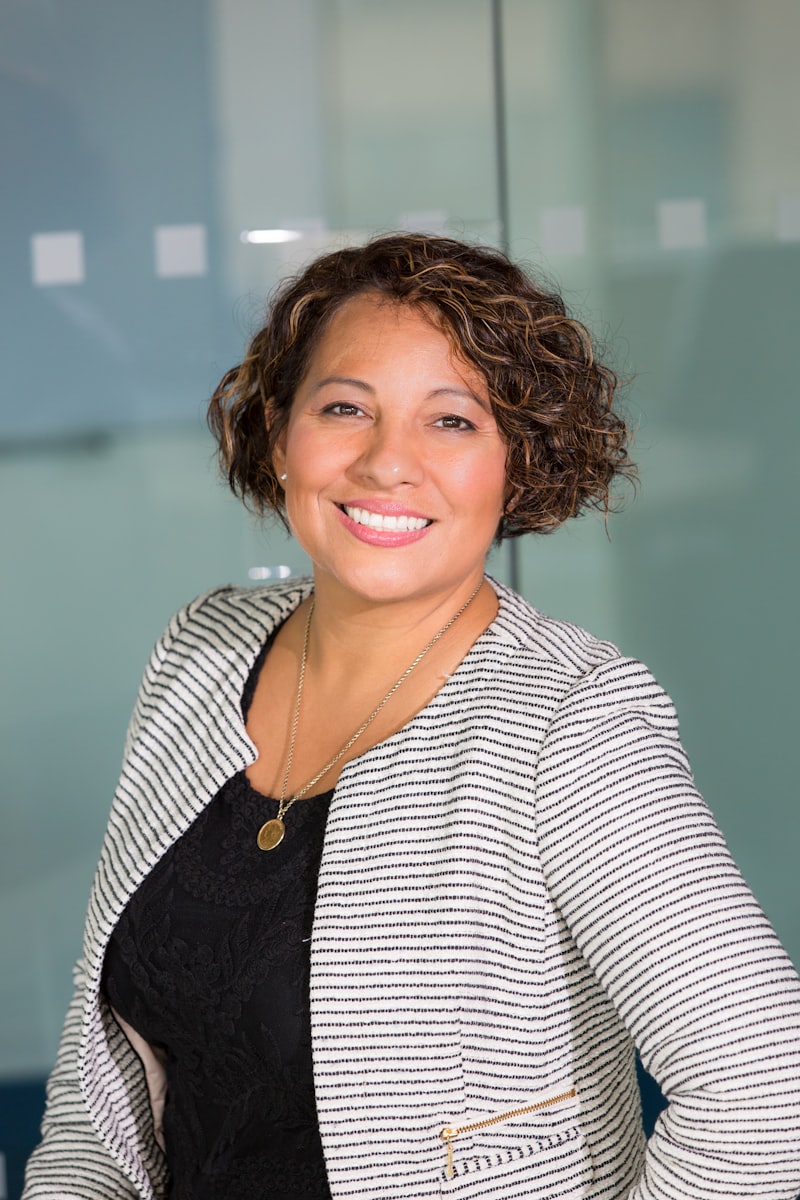
Nadia Okonkwo
Studio lead & chief scope assassinRuns the studio and the first call. Has removed roughly 400 features from roadmaps and lost no sleep over any of them.
About · the studio
We started Bolt because we kept watching good ideas die in a discovery phase. Nine years later the rule is still the same: the people who scope your project are the people who build it.


How we got here
In 2017 Nadia and Theo were both leaving agencies — different agencies, same complaint. Clients arrived with real problems and left with a slide deck, an invoice and a Gantt chart that had already stopped being true.
The first Bolt project was a booking tool for a friend's yoga studio, built over five weekends in exchange for a very generous number of classes. It's still running. Nobody has touched the code since 2019, which we consider the highest compliment a codebase can receive.
We've stayed small on purpose. Six is the number where everyone still knows every project, nobody needs a status meeting to find out what's happening, and we can turn down work without it threatening payroll. Growing would make us worse at the only thing we're good at.
Weekends, a borrowed desk, and a booking tool that still works.
After one project sprawled to seven months, we started refusing scopes we couldn't finish in eight weeks.
We put our rates on the website. Sales calls got shorter and much more honest.
Still six of us. Still above the bakery. Still arguing about scope in week one.
Not "leadership". Not "a selection of our team". This is everyone — and every one of them will be on your project.
Runs the studio and the first call. Has removed roughly 400 features from roadmaps and lost no sleep over any of them.

Fifteen years of backends. Asks "what happens when this fails at 3am?" in every architecture review, which is why it doesn't.
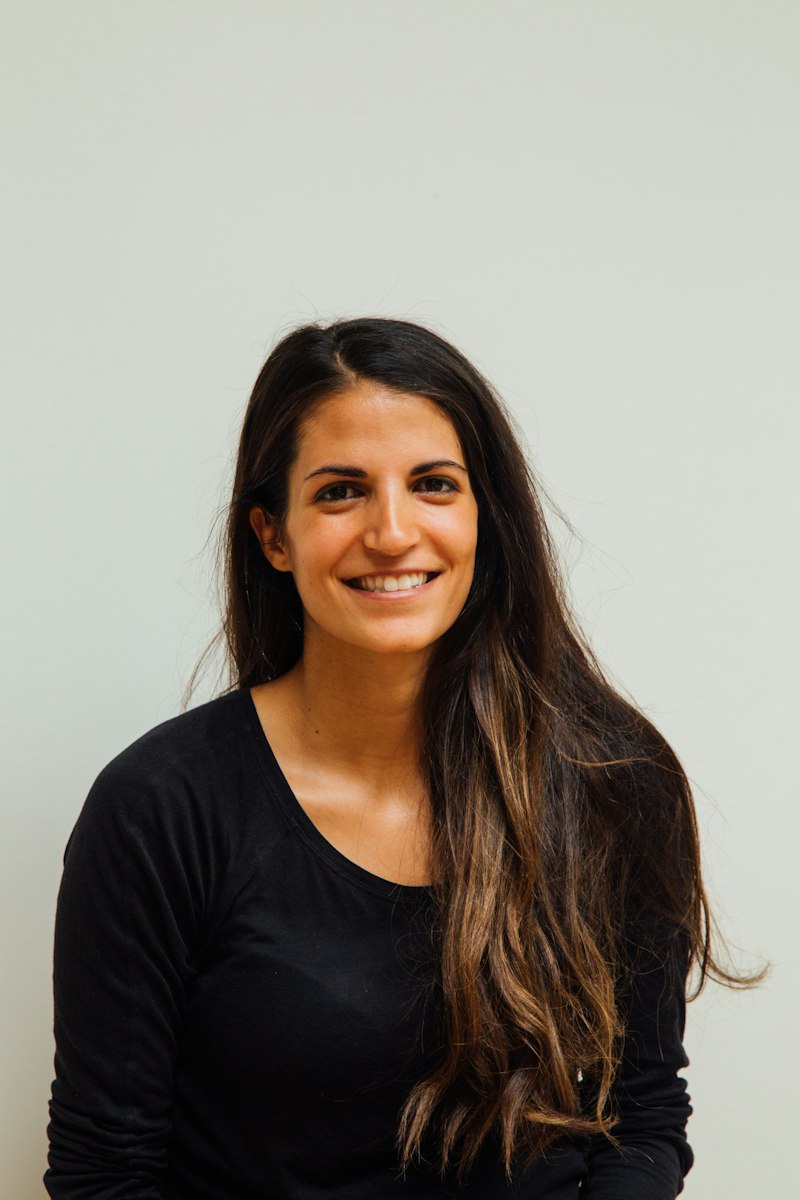
Believes a product is judged by its worst screen, so she designs the error states first. Runs every user session we do.

Swift and Kotlin. Tests every build on the Lisbon metro because if it works underground it works anywhere.
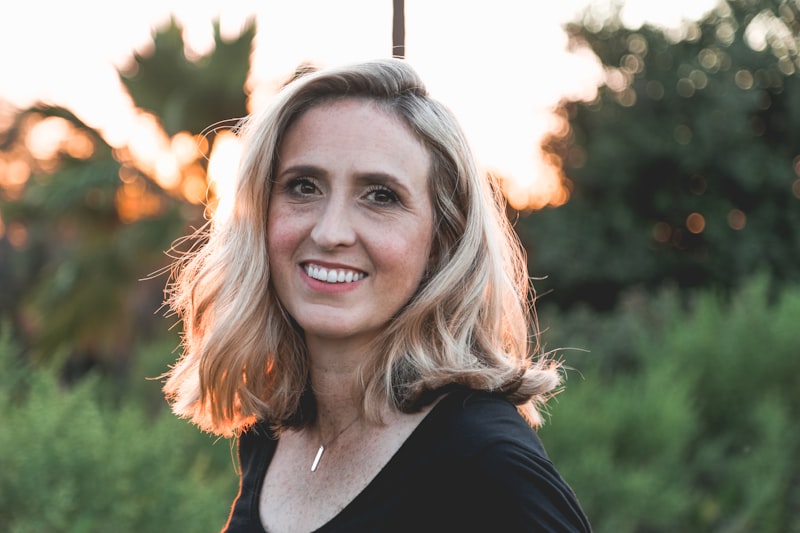
Half analyst, half front-end. Will not run an experiment until the tracking is clean, no matter how much anyone begs.

Joined from a hardware company, which is why she keeps asking who's actually holding the phone and what else they're doing.
Four things we'd still believe if they cost us the project. They occasionally do.
A shipped thing that does one job beats a beautiful thing that's still in staging. We'd rather hand you something narrow and alive than something broad and theoretical. You can always add. It's much harder to un-launch.
You're not paying us to nod. If we think the pricing model is wrong or the second feature should be the first, you'll hear it in week one — clearly, once, with reasons. Then it's your call and we build what you decide.
No RAG statuses, no burn-down charts, no eleven-page weeklies. A staging link that updates daily and a demo every Friday tells you more than any document, and takes us an hour instead of a day.
Readable code, a README someone can follow on their first morning, decisions written down with the reasoning attached. The measure of a good handover is that you stop needing us and don't resent us for it.
Saying this out loud saves everybody a fortnight. If your project needs one of these, we're genuinely happy to point you somewhere better.
A normal week
The week opens with an hour where anyone can challenge anything — a scope call, a component, a price we quoted. It's the only meeting nobody is allowed to skip, and it's why bad decisions rarely survive to Wednesday.
Fridays are demos. Every live project shows something that runs, to whoever's around, including clients who want to drop in. Nothing is presented from slides. If it can't be clicked, it isn't done.
Between those, it's quiet. No standups, no Slack-response expectations, and a hard rule that meetings need an agenda in writing or they get declined. Most of us write more than we talk.

We read everything ourselves
The best projects start with a founder who's slightly annoyed about something specific. If that's you, we'd like to hear about it.